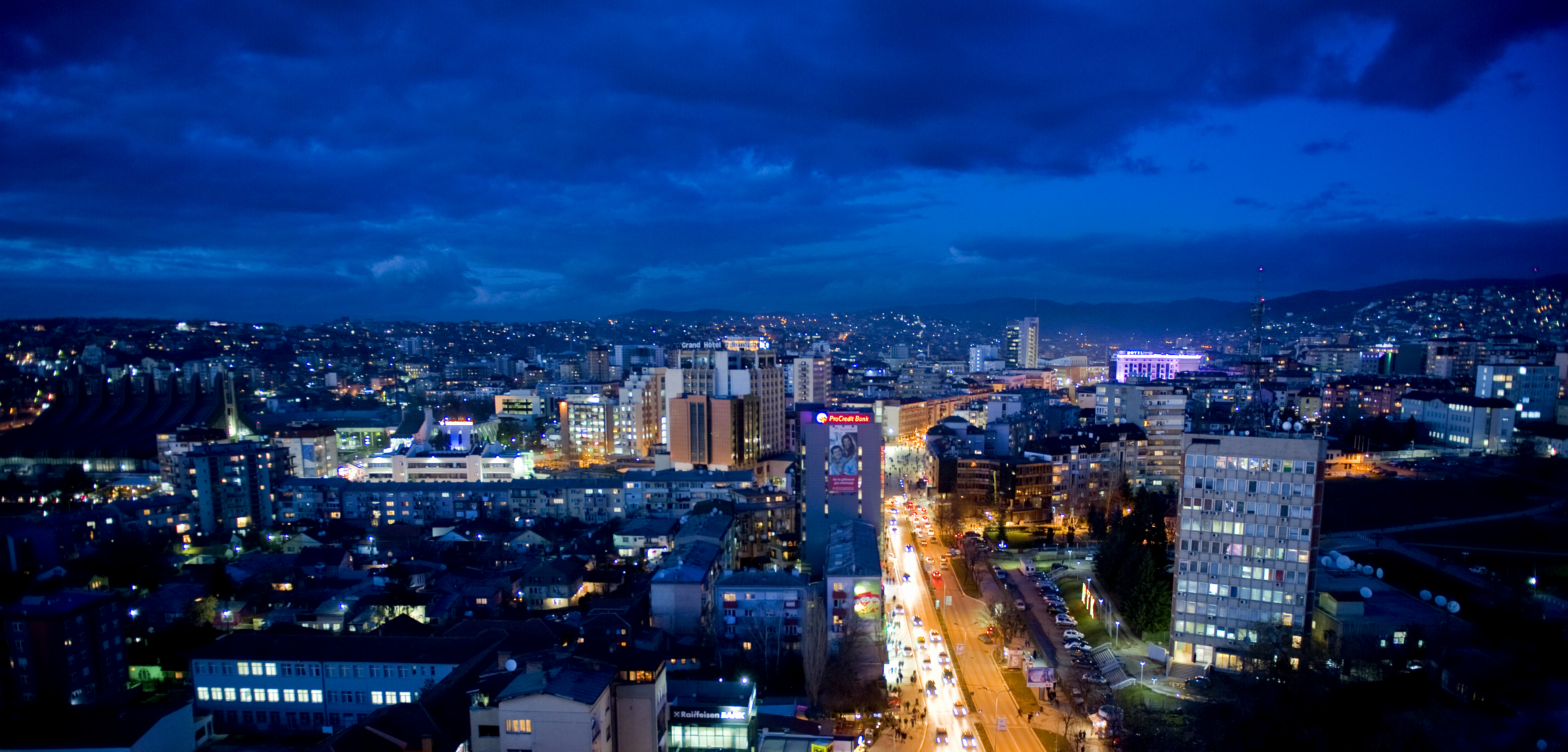
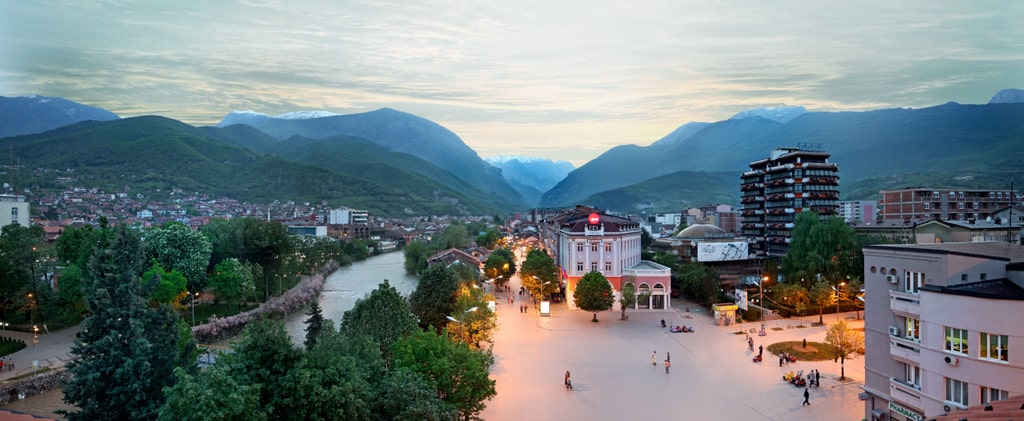
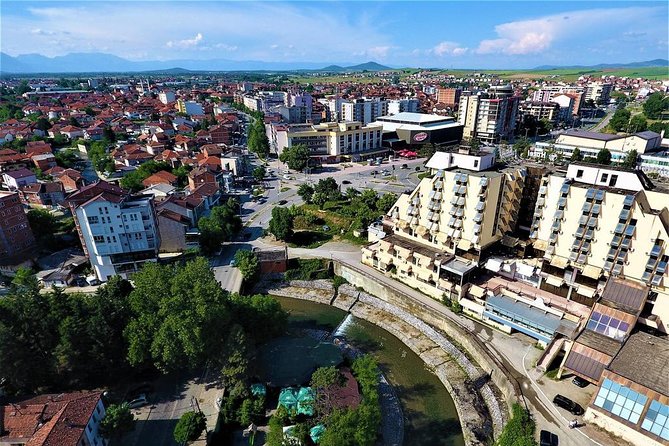
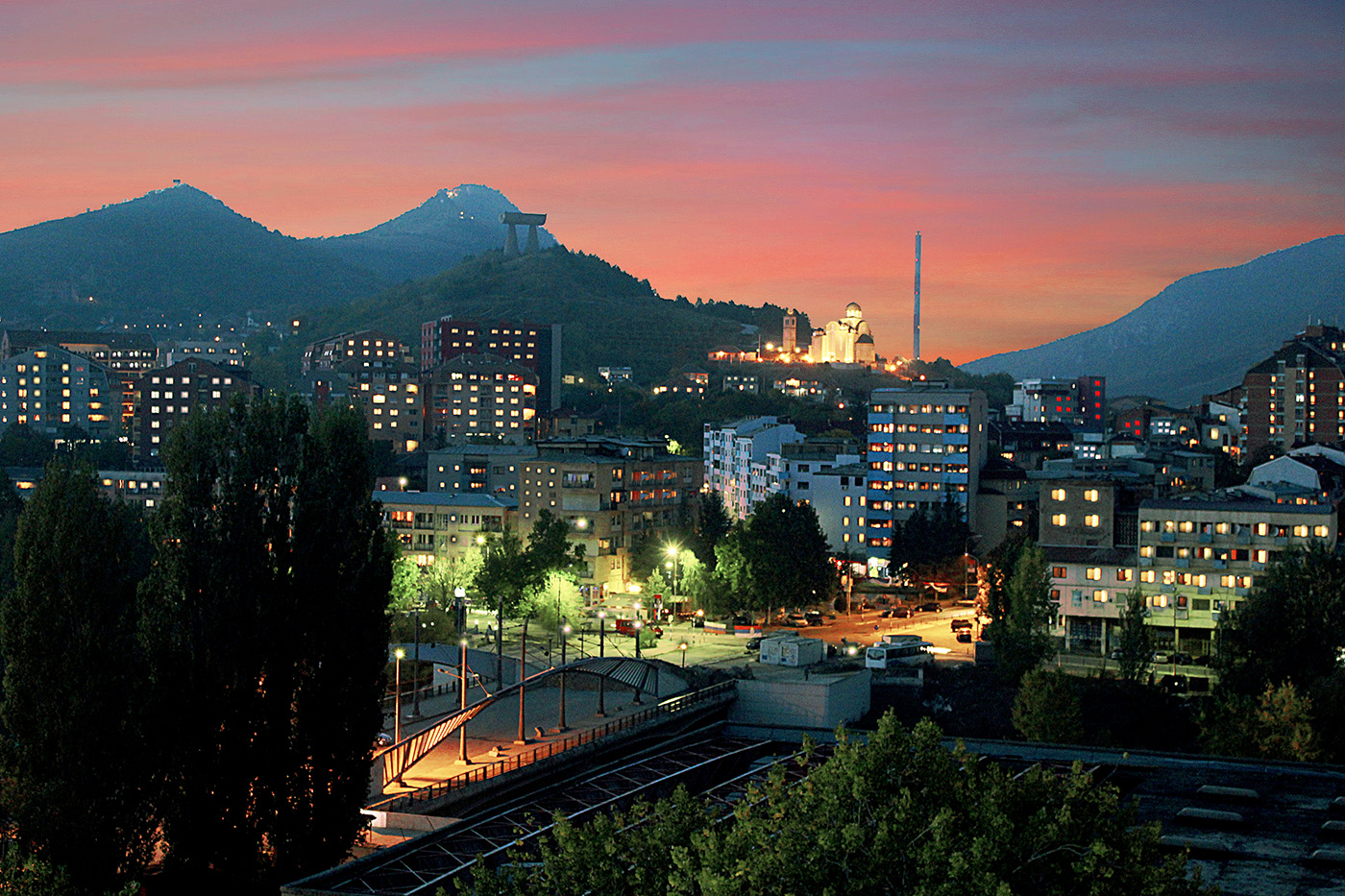
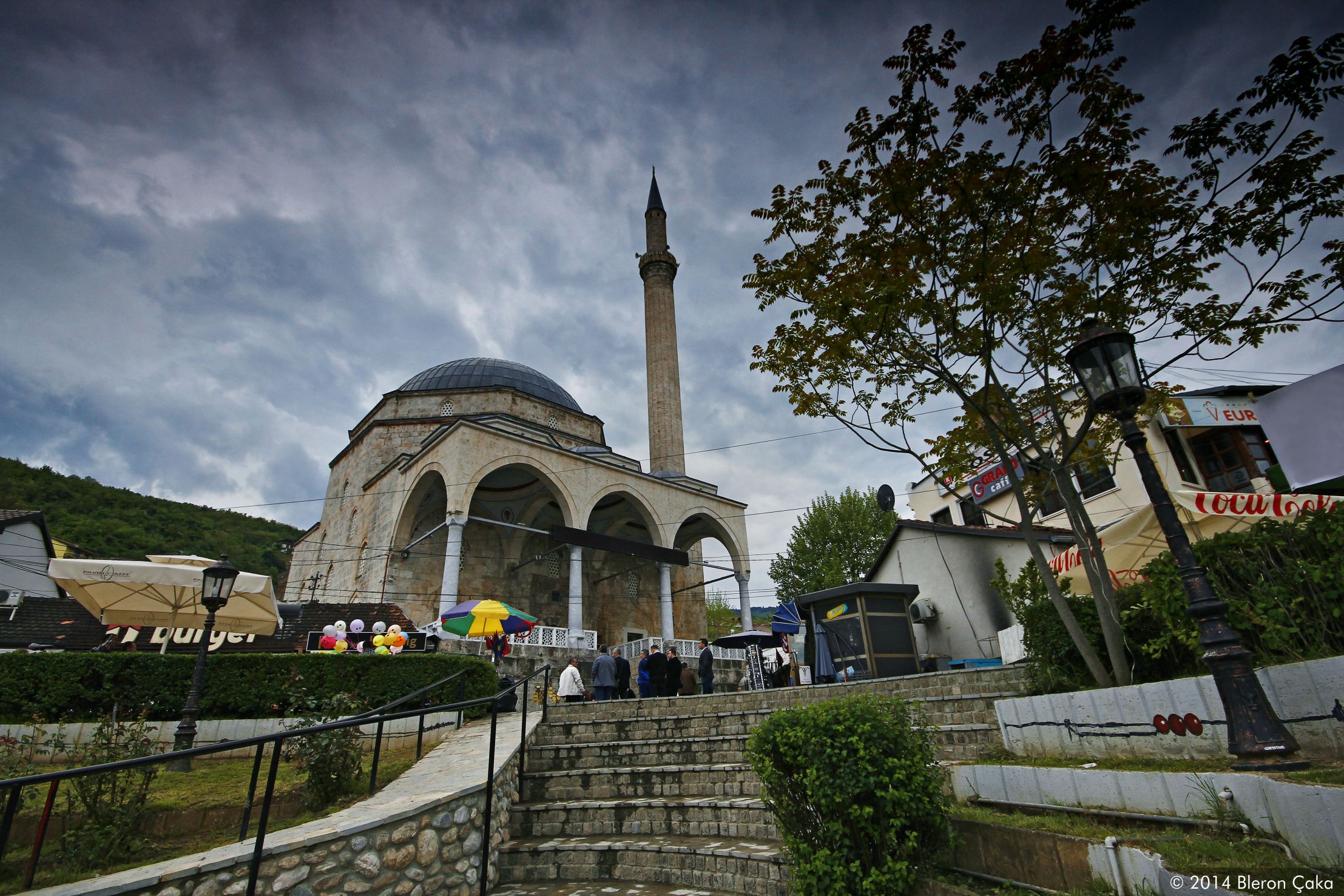
Kosovo is a small, mountainous country in the heart of the Balkans, home to about 1.6 million people. Its story spans thousands of years — Illyrian, Roman, Byzantine and Ottoman — and its people are known for their warm hospitality.
Kosovo at a glance
- Capital
- Prishtina
- Population
- about 1.6 million (2024 census)
- Area
- 10,887 km²
- Calling code
- +383
- Currency
- Euro (€)
- Independence declared
- 17 February 2008
A short history
- Antiquity
DardaniaThe Illyrian Dardanians lived here in ancient times. Under Rome the region became part of the province of Dardania, and the city of Ulpiana, near today’s Prishtina, flourished — it was later rebuilt by Emperor Justinian.
- Middle Ages
Byzantium and the Middle AgesAfter centuries of Byzantine and Bulgarian rule, towns and trade routes grew across the region through the Middle Ages. Its medieval monasteries — Visoki Dečani, the Patriarchate of Peć, Gračanica and the Church of the Holy Virgin of Ljeviš in Prizren — are UNESCO World Heritage sites.
- 1389–1912
The Ottoman centuriesThe Battle of Kosovo in 1389 became a defining moment for the region, and by 1455 it was part of the Ottoman Empire. Towns such as Prizren and Gjakova grew around bazaars, mosques and hammams. In 1878 the League of Prizren gathered here to defend Albanian-inhabited lands, a milestone of the Albanian national movement.
- 1912–1989
YugoslaviaAfter the Balkan Wars (1912–13) and the First World War, Kosovo became part of Yugoslavia. The 1974 constitution gave it wide autonomy within Yugoslavia; that autonomy was revoked in 1989.
- 1990s
Peaceful resistance and warThrough the 1990s Kosovo Albanians organised peaceful resistance led by Ibrahim Rugova, with their own schools and institutions. In 1998–99 armed conflict between Serbian forces and the Kosovo Liberation Army killed thousands and displaced hundreds of thousands of people, until a NATO air campaign in 1999 ended the war.
- 1999–2008
Under UN administrationFrom June 1999 Kosovo was run by the United Nations mission UNMIK, with NATO-led KFOR peacekeepers, while its own institutions were rebuilt.
- 2008–today
IndependenceKosovo declared independence on 17 February 2008. It has been recognised by more than 100 countries, while Serbia and some others do not recognise it; in 2010 the International Court of Justice found that the declaration did not violate international law. Today Kosovo has one of the youngest populations in Europe.
The flag shows a gold map of Kosovo on a blue field, with six white stars for the communities that live in Kosovo.